The Quiet Advantage of Long-Term Thinking in Wealth Creation
Financial markets often attract attention for their short-term movements. Headlines focus on daily fluctuations, economic surprises, and the latest investment trends. Yet many of the most significant wealth-building outcomes occur far from the spotlight, shaped by decisions that unfold gradually over years rather than weeks.
Long-term planning remains one of the most overlooked elements of successful investing. Not because its importance is disputed, but because patience can feel less compelling than immediate results. The challenge for investors is not simply identifying opportunities. It is maintaining a framework that supports consistent decision-making through changing conditions.
A long-term perspective encourages individuals to focus less on prediction and more on preparation.
Building a Foundation Before Making Decisions
Effective planning begins with clarity. Before selecting investments, many experienced investors spend time understanding their objectives, risk tolerance, time horizon, and financial commitments.
Without this foundation, investment decisions can become reactive. Market volatility may influence behaviour more than personal strategy, leading to choices that reflect short-term emotion rather than long-term goals.
Educational resources available through the Wealth Investors platform highlight the importance of approaching wealth creation as a structured process rather than a sequence of isolated transactions. This distinction matters because financial outcomes are often influenced by consistency and discipline as much as by individual investment selections.
The strongest plans are rarely the most complicated. They are often the ones that remain understandable and adaptable as circumstances change.
Looking Beyond Immediate Performance
One of the challenges associated with long-term planning is resisting the temptation to judge progress too frequently. Short-term performance can provide useful information, but it does not always reveal whether a broader strategy remains sound.
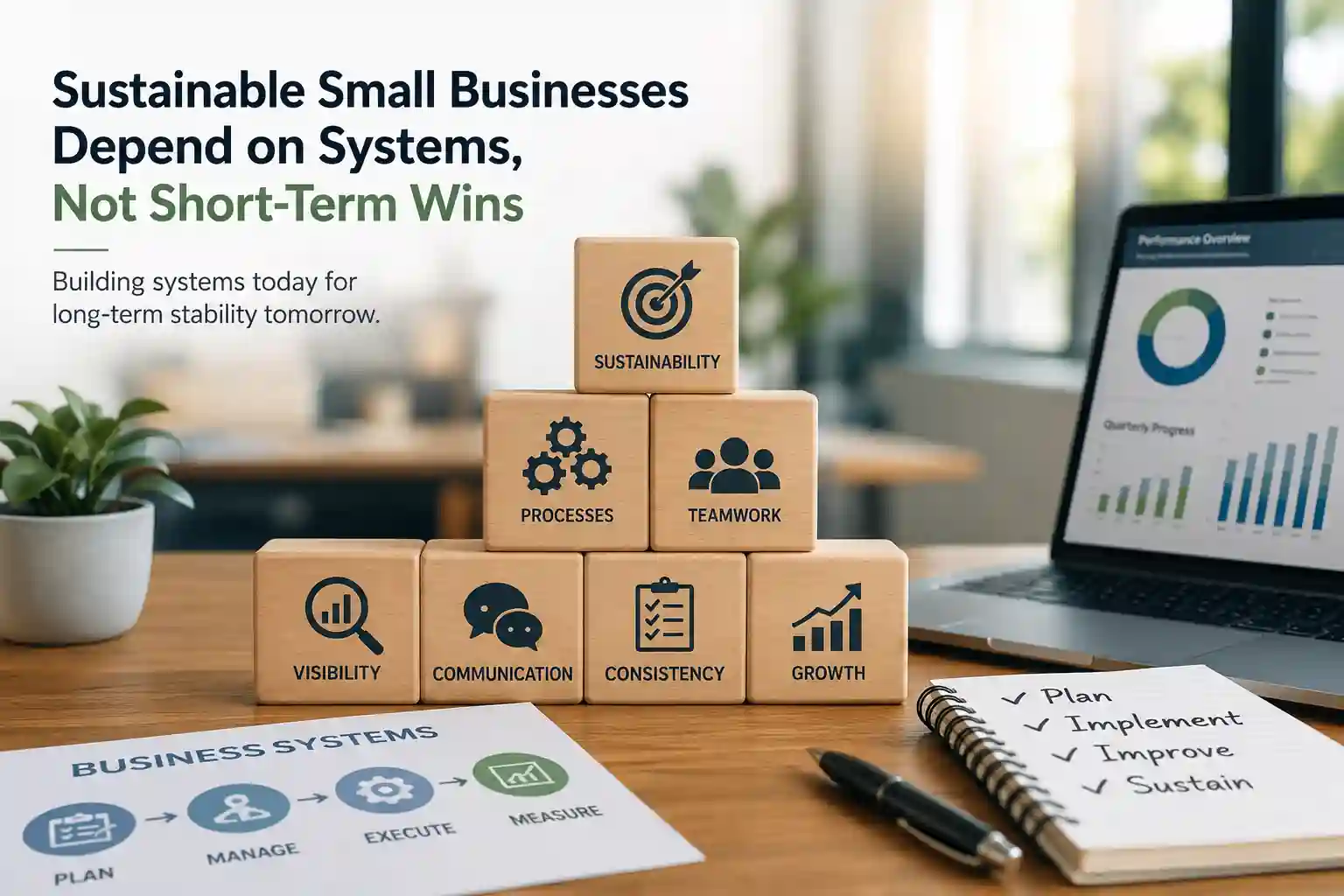
Investors regularly assess business quality, industry trends, management capability, and economic conditions when evaluating opportunities. Increasingly, attention has also shifted toward understanding how organisations position themselves for future growth and resilience. Discussions around areas such as customer engagement, operational structure, and business growth marketing strategies reflect a broader recognition that sustainable success often depends on systems that support long-range objectives rather than immediate outcomes.
Viewed through this lens, investment analysis becomes less about forecasting the next quarter and more about understanding how organisations may evolve over extended periods.
This approach does not eliminate uncertainty. It simply acknowledges that meaningful value is often created through gradual development rather than sudden transformation.
Planning for an Uncertain Future
No investment plan can anticipate every market event. Economic cycles, policy changes, technological shifts, and global developments all influence financial outcomes in ways that are difficult to predict.
Long-term planning addresses this reality by focusing on adaptability. Investors who establish clear principles are often better positioned to respond thoughtfully when conditions change. Rather than abandoning their strategy at the first sign of volatility, they can evaluate new information within an existing framework.
This mindset extends beyond investing itself. It reflects a broader understanding that wealth creation is a process rather than a destination. Progress occurs through accumulated decisions, repeated over time, each contributing incrementally to future outcomes.
The value of long-term planning is not that it guarantees success. Its value lies in providing structure during periods of uncertainty, helping investors remain aligned with their objectives even when circumstances evolve in unexpected ways.